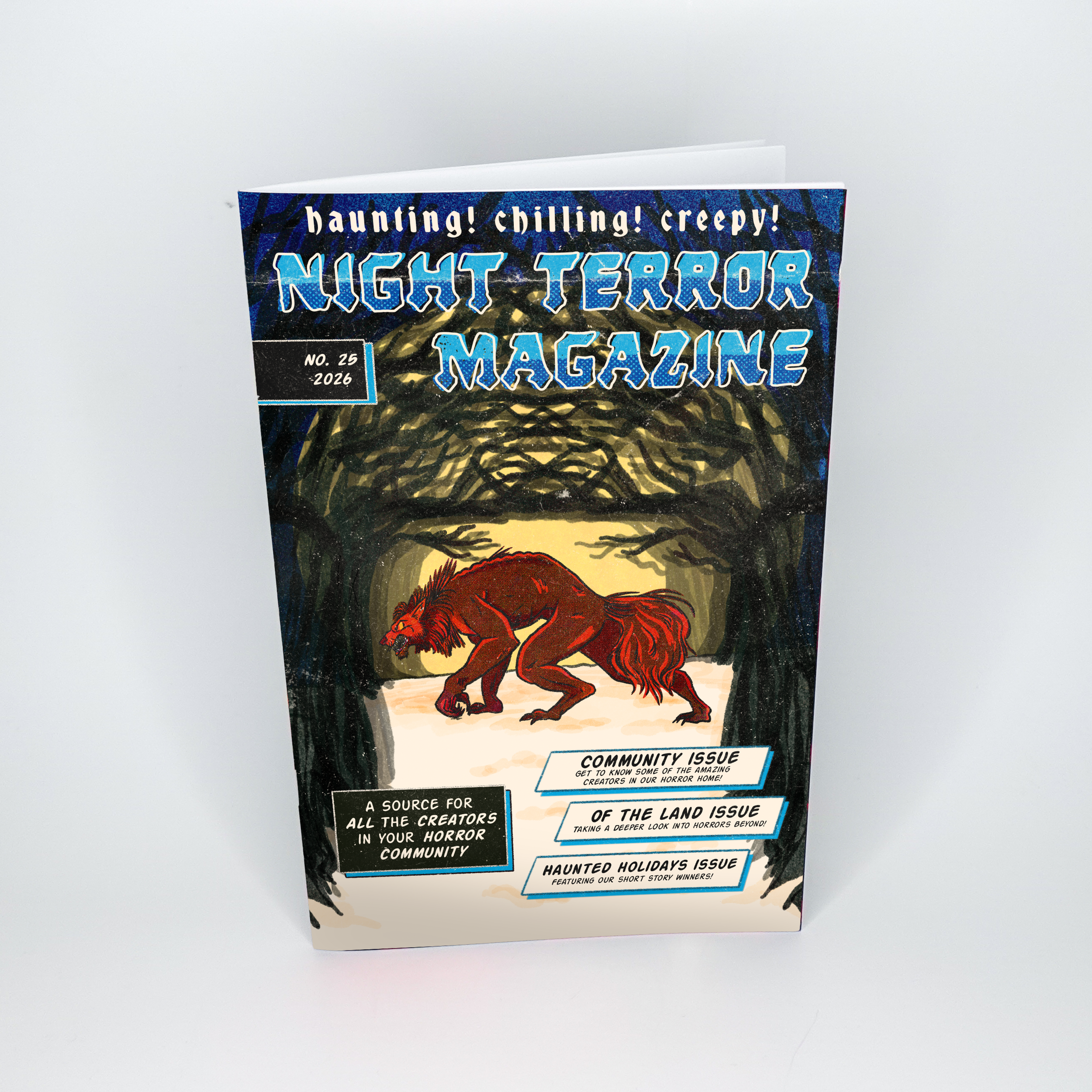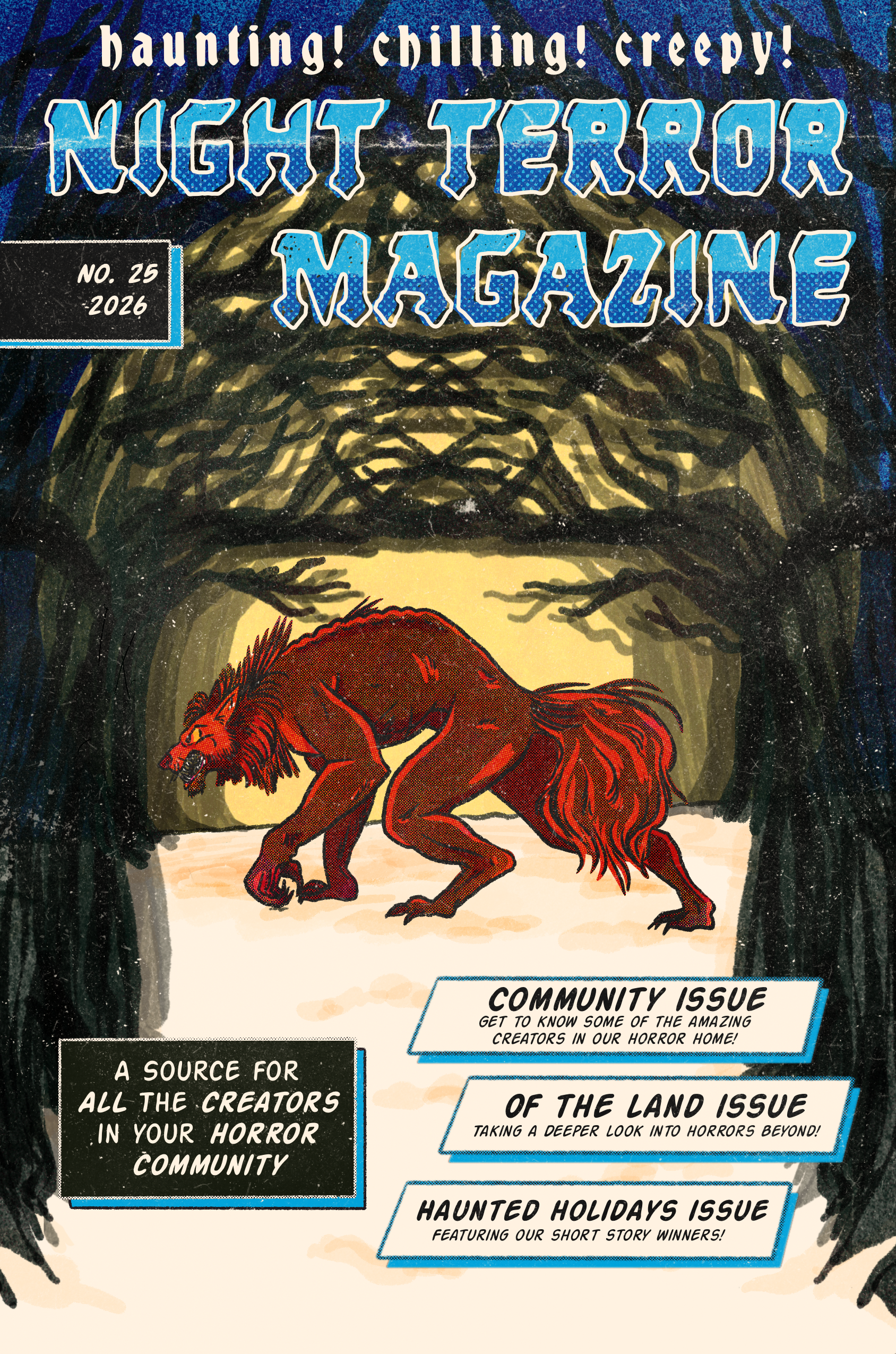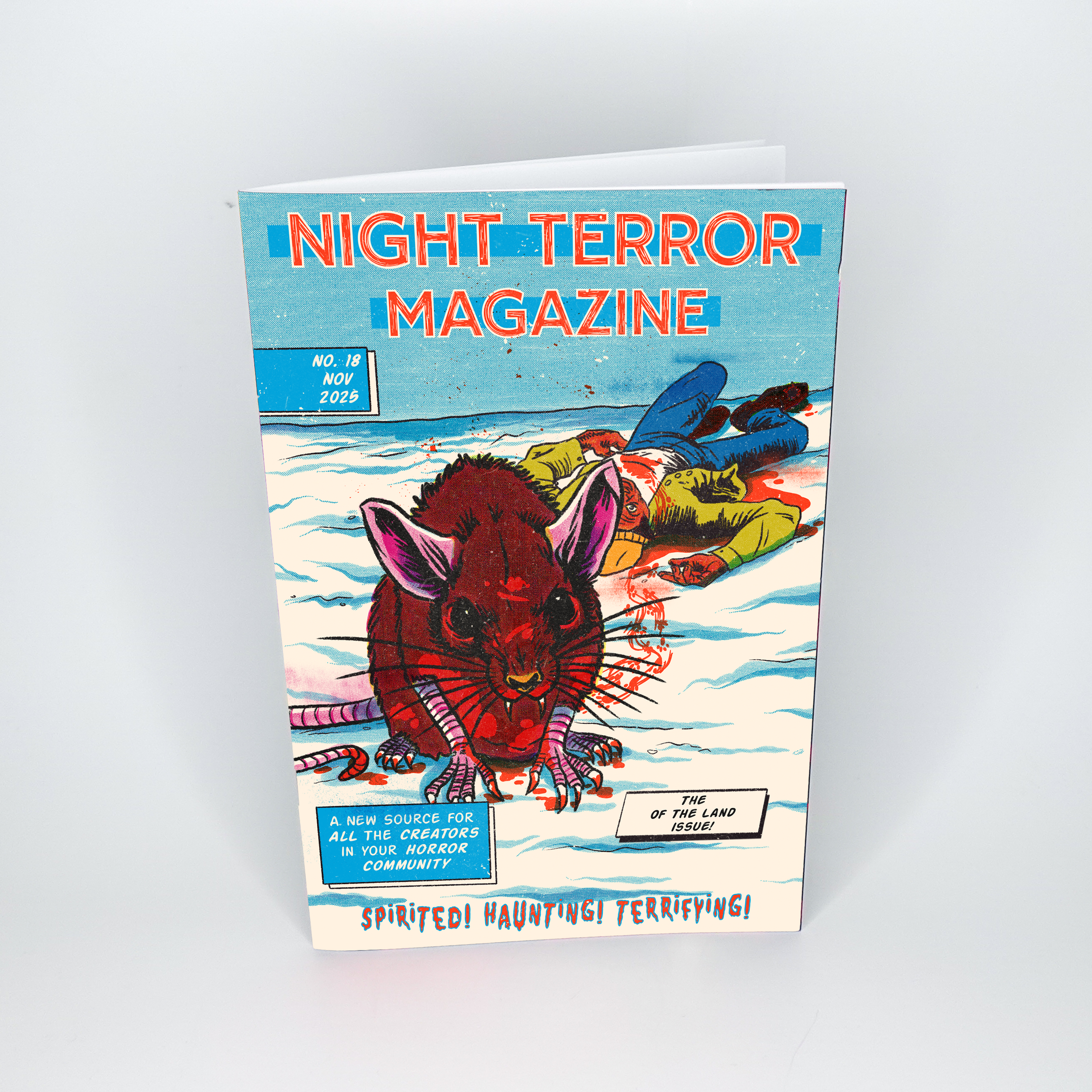
Welcome to our annual Native American Heritage Month issue, Of The Land!
Indigenous folklore is not new to the horror genre. We see, in abundance, adaptations of wendigos and skinwalkers. Horror has used these Native American legends freely but not always with the intention of honoring the context or the people behind the histories. Indigenous creators, who should be given more opportunities to lead these conversations, are still fighting for recognition.
There has been a shift within the genre, but we need to further recognize where our shortcomings lie to actively create and uplift platforms that celebrate Native American heritage, traditions, and histories. Horror’s existence has been rooted in breaking down barriers purposefully built around the genre. Horror is an evolving genre that welcomes commentary on societal constructs, but it’s an ongoing, uphill battle. The horror community needs to be active in seeking out Indigenous horror writers, supporting Indigenous publishers, and recognizing that Indigenous horror doesn’t exist as a mythos to build whatever narrative seems to fit. This ancestral wealth of storytelling traditions predates our own westernized interpretations.
Welcome to our annual Native American Heritage Month issue, Of The Land!
Indigenous folklore is not new to the horror genre. We see, in abundance, adaptations of wendigos and skinwalkers. Horror has used these Native American legends freely but not always with the intention of honoring the context or the people behind the histories. Indigenous creators, who should be given more opportunities to lead these conversations, are still fighting for recognition.
There has been a shift within the genre, but we need to further recognize where our shortcomings lie to actively create and uplift platforms that celebrate Native American heritage, traditions, and histories. Horror’s existence has been rooted in breaking down barriers purposefully built around the genre. Horror is an evolving genre that welcomes commentary on societal constructs, but it’s an ongoing, uphill battle. The horror community needs to be active in seeking out Indigenous horror writers, supporting Indigenous publishers, and recognizing that Indigenous horror doesn’t exist as a mythos to build whatever narrative seems to fit. This ancestral wealth of storytelling traditions predates our own westernized interpretations.